
Combat-sports have always captured the imagination. Osteopathy, maybe less exciting. Here’s where the two meet!
Back in the 1960s, it was boxing that ruled the world, with Muhammad Ali redefining what a heavyweight athlete could do. The 70s and 80s brought karate, kickboxing and judo captured the spotlight, projected by movies like The Last Dragon and The Karate Kid, turning martial artists into cultural heroes.
Today, the combat-sport landscape has exploded. Mixed Martial Arts, Brazilian Jiu-Jitsu and performance-based sports like professional wrestling have created a huge global following. Organisations like the UFC and WWE produce household-name athletes. Conor McGregor, Ronda Rousey and Dwayne ‘The Rock’ Johnson are recognised well beyond the fight world.
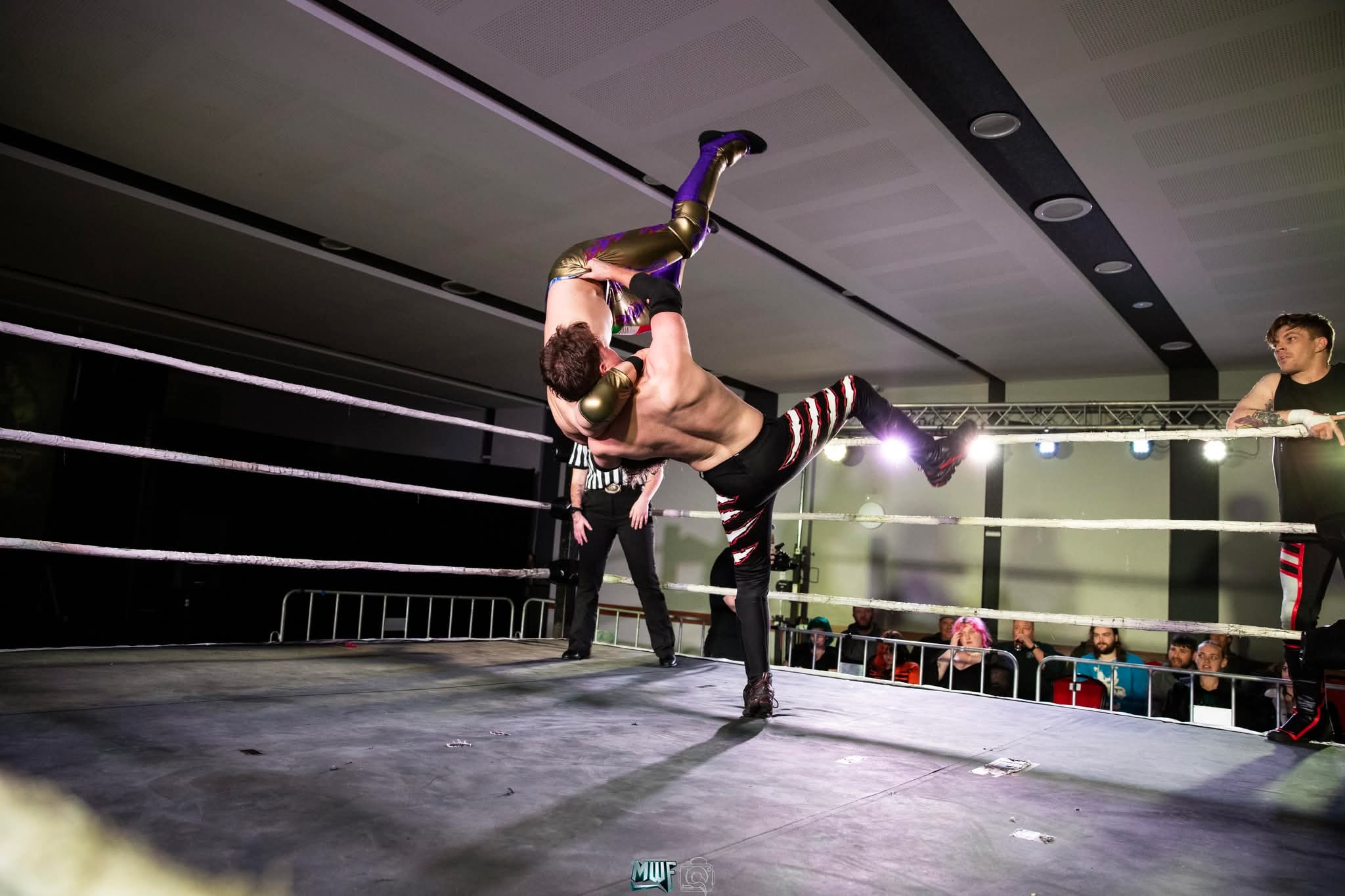
Image credit to Malice/MWF
Although each discipline has its own techniques and demands, they all share a common theme. Combat-sports push the body to the limits of strength, mobility, reaction time and resilience. Training loads fluctuate, impact forces accumulate, and the body adapts constantly. Over time, this can lead to stiff joints, persistent tightness, overuse injuries and a gradual drop in movement quality.
This is where Osteopathy becomes a genuine asset for fighters, grapplers and performers.
Osteopathy recognises the relationship between structure and function. When one part of the body is restricted, overloaded or moving poorly, everything around it has to compensate. For combat-sports athletes, this can be the difference between clean technique and an early injury lay-off.
Common issues seen in MMA, BJJ and wrestling include neck strains after takedown entries, shoulder impingement from clinch work or breakfalls, thoracic and rib irritation from pressure passing or bridging, and lower back overload from repeated defending, guarding or high velocity movements. These are often not isolated injuries. They usually build and compound slowly over time as the body absorbs weeks or months of load and punishment without adequate recovery.
Osteopathic treatment helps address these patterns. Targeted techniques such as joint mobilisation, soft tissue release and muscle energy techniques can help restore movement and reduce protective muscle tension. This can improve circulation, ease pain, and create space for more efficient movement. Better mobility means smoother transitions, more control during grappling exchanges, and the ability to generate maximal force without fighting your own body.
A good osteopath also looks beyond the painful area. In combat-sport the real driver of injury is often an imbalance somewhere else. Hip stiffness can overload the lower back during wrestling or grappling. Thoracic restrictions can reduce reach and rotation in striking. Poor rib mobility can limit breathing efficiency and endurance. Identifying these links and improving the movement chains behind them can have a huge impact on performance.
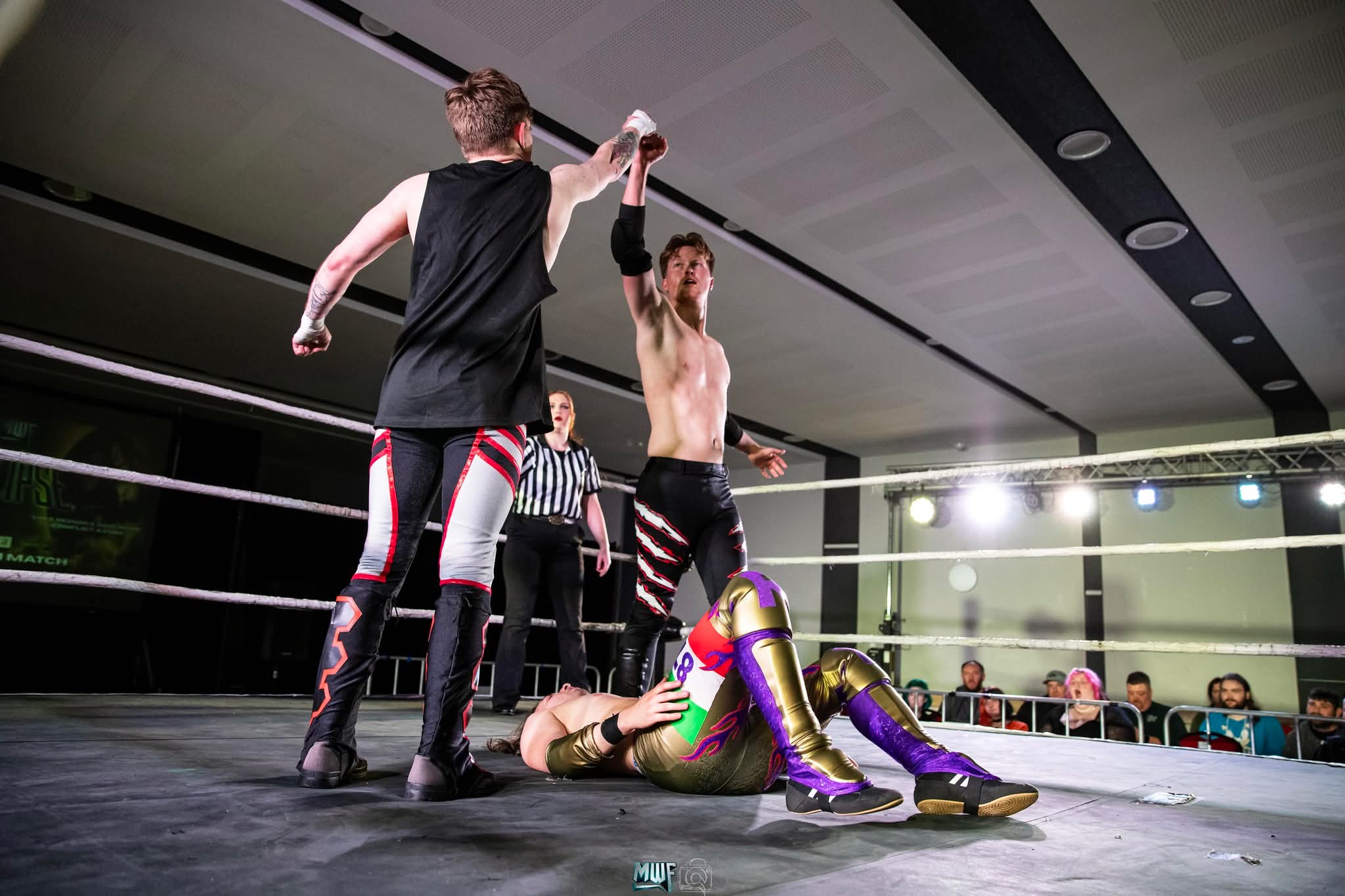
Image credit to Malice/MWF
Regular care also helps manage the cumulative impact of training. Fighters often push past their limits, through fatigue, micro-trauma and repeated overload. Osteopathy supports essential recovery between sessions so you can train consistently while performing at your peak. This often reduces the risk of recurrent injuries, which is one of the biggest factors limiting progress in martial arts.
Whether you are deep into an MMA camp, grinding through BJJ comp prep or performing week-to-week in the ring, your body is the engine behind everything you do. Treat it as a priority, and it will become your competitive advantage.
Disclaimer: certain combat-sports injuries may need more urgent attention from a doctor or hospital, so please visit emergency if you think your injury is more serious. Additionally read this blog to help decide what conditions you can see allied health for, and which might need a doctor!
If you want to understand how Osteopathy can support your performance, recovery and longevity in combat sports, book an assessment with Nathan at Hills Physiotherapy. He combines clinical training with first-hand experience in MMA, BJJ and Professional Wrestling, and can tailor treatment to your own discipline, goals and training load.
Written by Nathan Wright, full-time Osteopath (and part-time Professional Wrestler)